Trichoderma: why is it useful in cannabis cultivation?
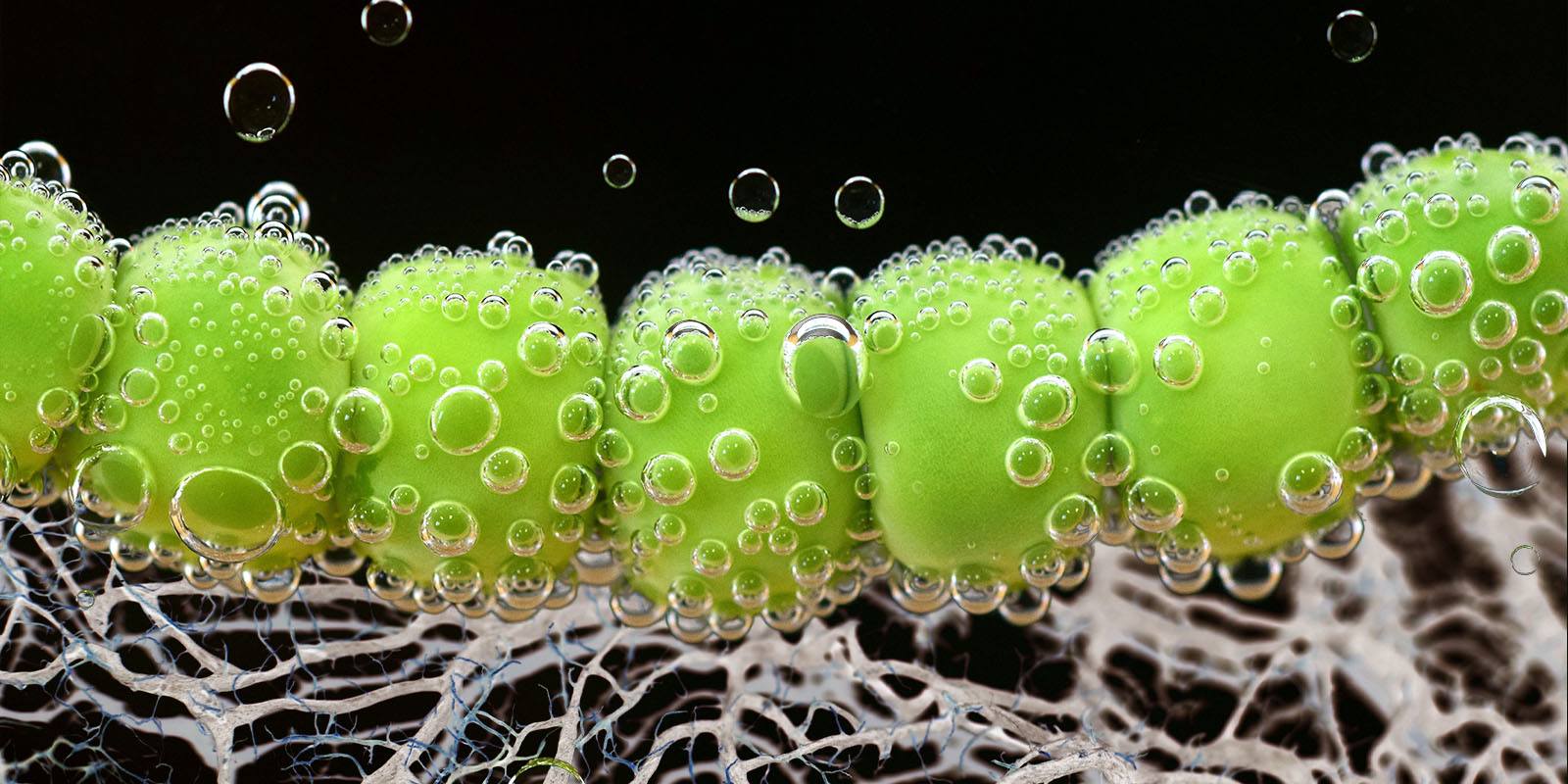
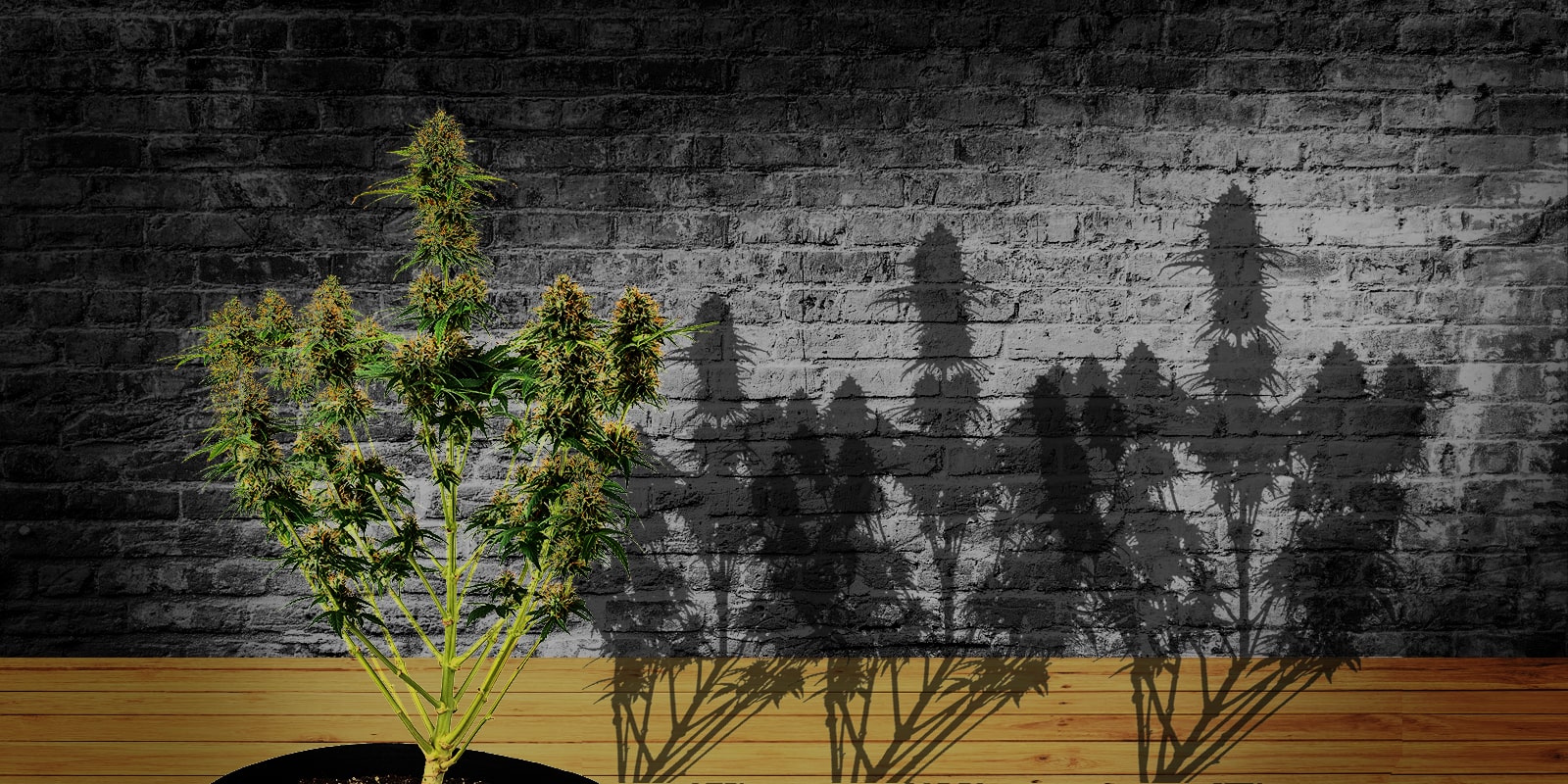
Trichoderma is one of the best allies for the development of your cannabis crop. This is a species of beneficial fungi that can stimulate root growth and protect the plants from other phytopathogenic fungi whilst reinforcing their defence mechanisms.
Besides being an excellent biological tool for pest control, Trichoderma increases the nutrient absorption capacity of your plants, producing strong and healthy specimens and ultimately leading to a more abundant, higher-quality crop.
What is Trichoderma?
Trichoderma belongs to the fungi genus and is present in many areas of the planet due to its ability to adapt to different types of soil and habitat.
There are about 89 species of Trichoderma that occur in the form of emerald green mould, coating food, walls, and the trunks of decaying trees. The best known and most commercialised species are Trichoderma virens, Trichoderma atroviride, and Trichoderma harzianum (the latter is the most commonly used).
In addition to being useful in cannabis cultivation, beneficial interactions of these fungi with several types of plants have also been reported. These include corn, cotton, tomatoes, and cucumbers. However, the genetics of the plant is critical in determining the response of specific Trichoderma species.
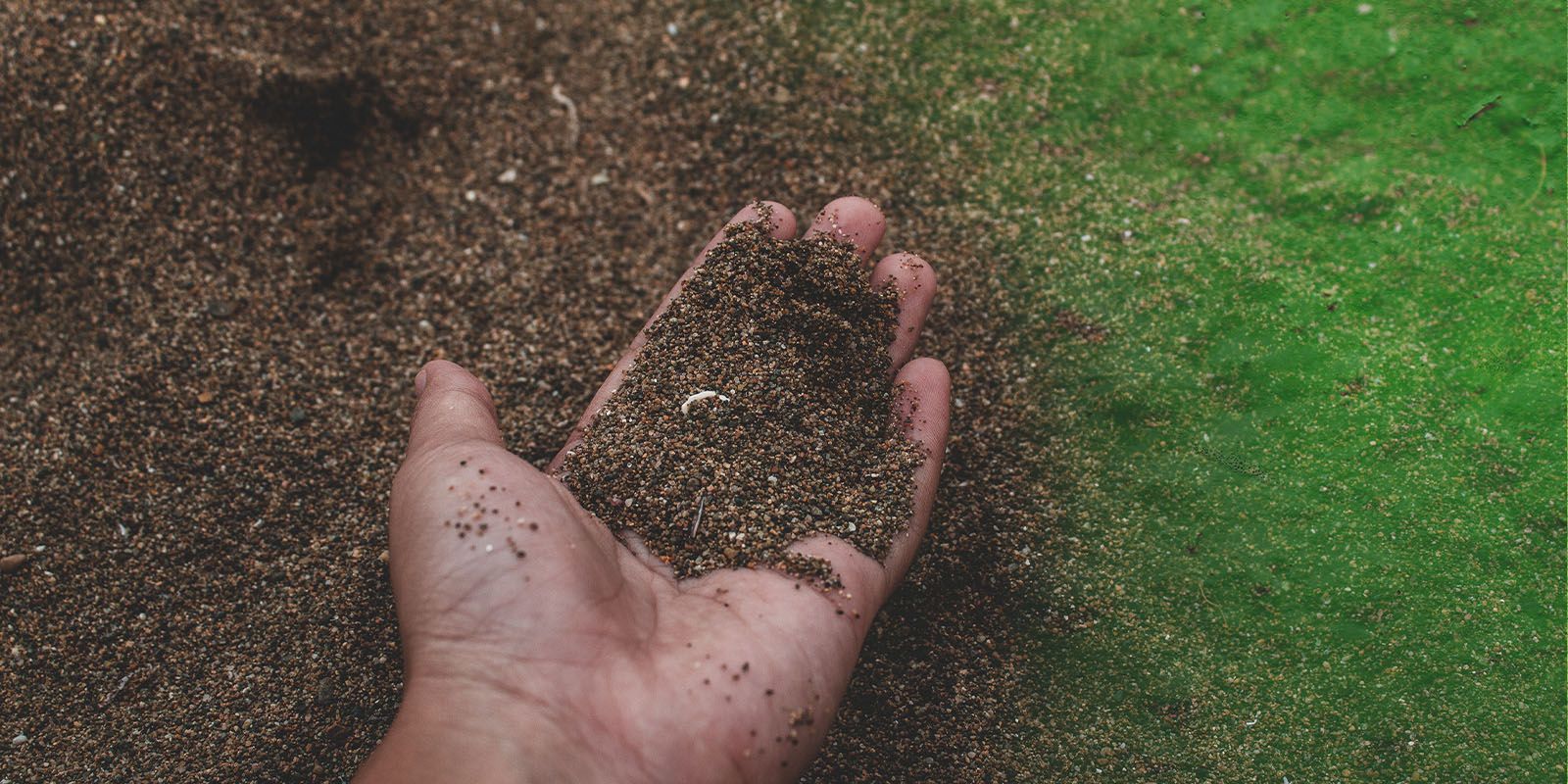
To survive and reproduce, Trichoderma needs a soil with at least 2% organic matter. It can easily spread via the roots of the plants, which it colonises and protects by creating a symbiotic effect through which both sides benefit each other.
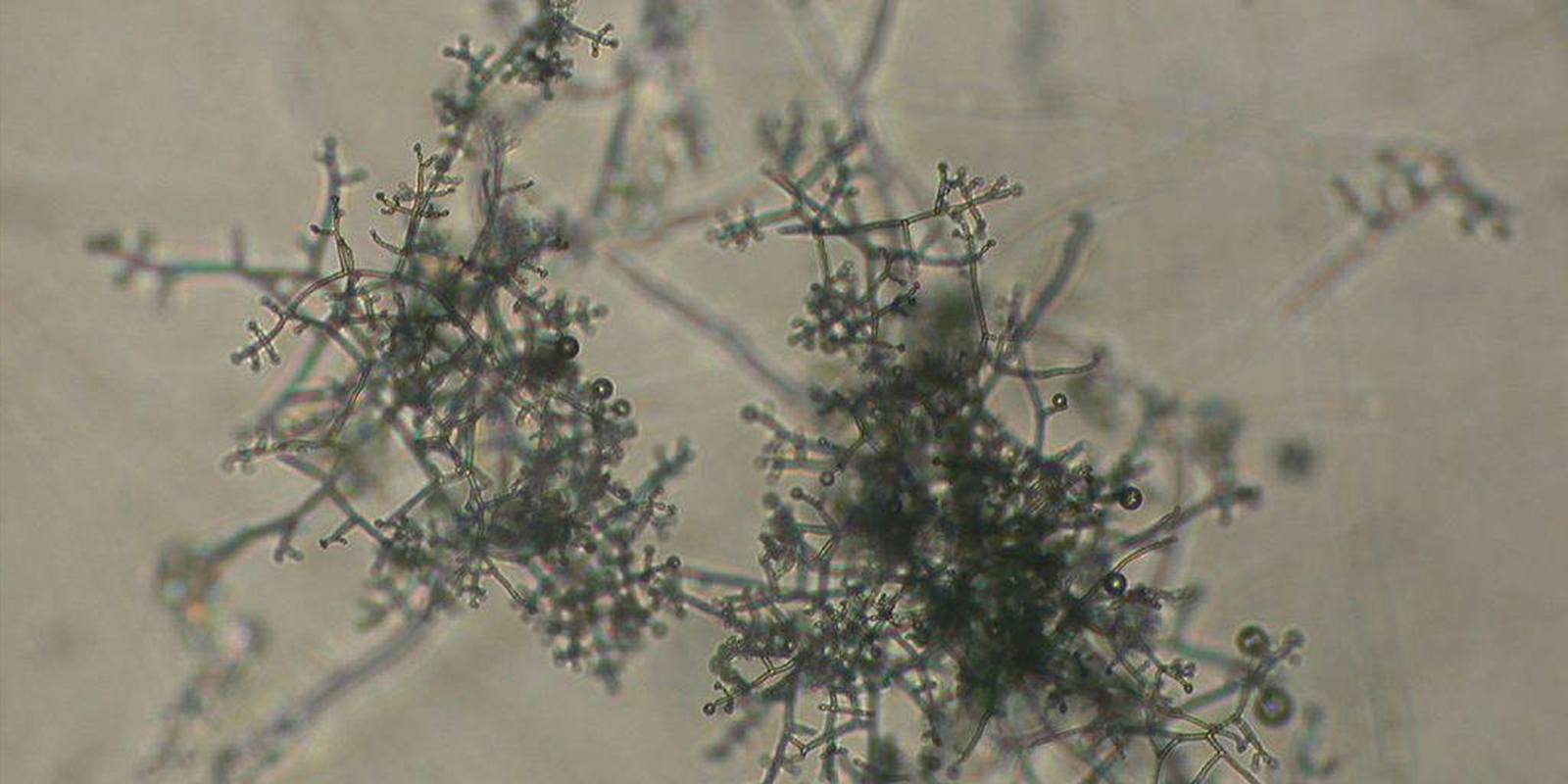
Unlike mycorrhizae, which need the roots to be present for their nourishment and development, Trichoderma can feed from other fungi present in the rhizosphere that could be pathogenic to the plant and may therefore be present in the soil before seed germination, thus facilitating root development.
In addition to this mechanism, known as mycoparasitism, some Trichoderma species have the ability to stimulate the defence mechanisms of the plants. This is one of the best fungicidal treatments of biological origin and, unlike chemicals, it neither pollutes the soil nor causes toxic effects on plants or humans.
But there’s more: some Trichoderma species are resistant to the presence or application of chemicals, such as some herbicides and pesticides, and can even degrade their components, thereby decontaminating the soil.
Another very important aspect of the symbiotic effect between fungi and roots is that soils that have been colonised by Trichoderma can better absorb nutrients, which promotes root development and plant growth. As a result, plants become hardier and more vigorous, which in turn leads to bigger and better-quality yields.
How to use Trichoderma in cannabis plants?
Trichoderma can be used in cannabis cultivation, especially in crops where soil and organic fertilisers are being used, although it’s also suitable for coco coir or hydroponics. The application of Trichoderma helps prevent and treat cryptogamic diseases that may attack the cannabis plants, and it also enhances root development and promotes the absorption of essential nutrients like Nitrogen, Phosphorus, and Potassium.
How is Trichoderma used?
Trichoderma is mainly commercialised in powder or liquid format for application via irrigation, although the powder can also be scattered directly on the surface of the substrate. Trichoderma can also be applied foliarly, but only when used as a biological pest control agent.
When to use Trichoderma?
Trichoderma is usually applied in the first days after transplantation to promote root development. You can also mix it with organic substrates and fertilisers before transplantation or from the early stages of life.
During the growth and flowering phases, Trichoderma can be applied via irrigation every 2 weeks as a preventive measure. When used as a treatment, it may be necessary to apply it every 2 days.
Is it possible to reproduce Trichoderma at home?
Yes, you can reproduce Trichoderma at home as long as you have suitable tools and the right conditions are in place.
You can start with a Trichoderma-based product or collect it directly from its natural environment. To do this, you need a disinfected knife and some airtight bags or glass jars for storage (to ensure that it doesn’t lose any moisture).
Root ball technique to produce Trichoderma
- Sow a large number of fast-growing seeds on a tray (pulses, for instance).
- Water them using a Trichoderma-based product.
- Let the seeds germinate and allow the plants to grow until the roots become quite dense and form a root ball.
- Cut the plants at ground level.
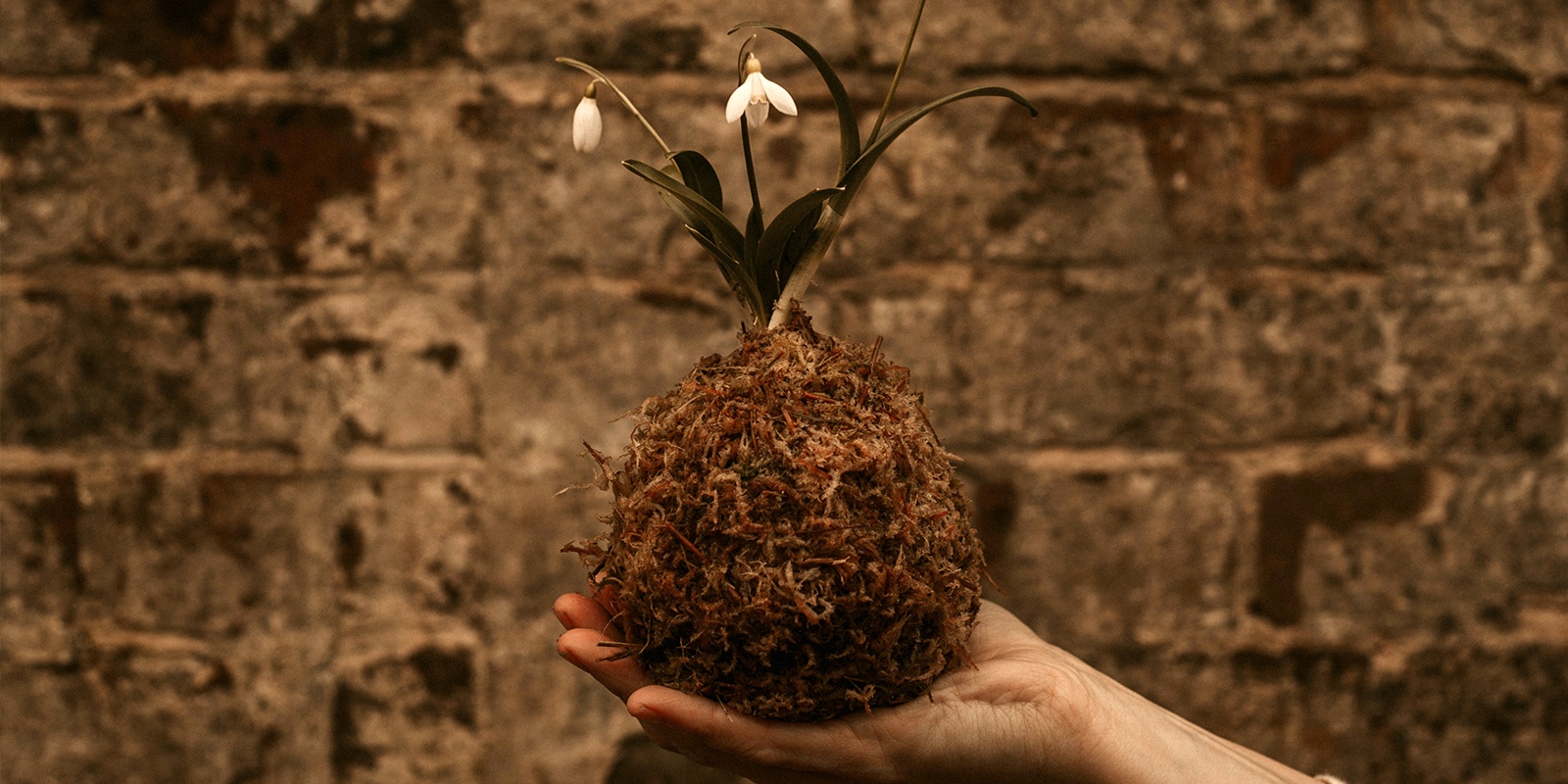
If the atmospheric conditions of semi-darkness, high humidity, and warm temperature are maintained, the Trichoderma will reproduce in the root ball, which can then be cut into small pieces and directly transferred to pots or to a new Trichoderma reproduction tray.
Rice trap technique to reproduce Trichoderma
- Prepare some rice traps, i.e. containers filled with boiled rice that can be covered with sterile gauze or disinfected cotton wool.
- Put the Trichoderma inside the trap and cover.
- Store in a warm, semi-dark place.
Benefits of using Trichoderma in cannabis plants
Thanks to their action mechanisms, Trichoderma provide several beneficial effects not only at root level but also for the whole cannabis plant:
- Myco-parasitic and antibiotic effect: Trichoderma neutralises other phytopathogenic soil fungi such as Fusarium, Pythium, mildew, smut, Thanatephorus cucumeris, Sclerotinia sclerotiorum, and Athelia rolfsii; as well as other aerial fungi like botrytis; or nematodes such as Meloidogyne javanica and Meloidogyne incognita. Trichoderma also produces mycotoxins that can deactivate the enzymes produced by the plant pathogens.
- Stimulation of the immune system: some Trichoderma species can stimulate the plant’s defence mechanisms at a genetic level, indirectly favouring their defence against other phytopathogens.
- Preventive effect: Trichoderma is highly adaptable and can develop quickly, colonising the soil and preventing the establishment of pathogenic species.
- Root stimulation: it promotes root development, especially of the lateral roots.
- Increase of nutrient availability: it helps solubilise many compounds in the soil and eliminate inorganic and/or toxic substances, thereby enhancing the absorption of nutrients such as nitrogen, phosphorus, iron, copper, and zinc through the roots. In addition, it increases the bioavailability of carbon and oxygen, which are essential for plant development.
- Enhancement of metabolic processes: it improves the plant’s resistance and response to stress, enhancing its functions and its capacity for photosynthesis thanks to the increase in the production of phytohormones.
- Increase in yield: it promotes biomass production, increasing the number of leaves and the production of buds.
- Better crop quality: it stimulates the plant’s functions, including its defence mechanisms. Cannabis resin is one of these mechanisms, which therefore translates into an increase in the production of both phytocannabinoids and terpenes. A 2021 study on hemp plants showed a significant increase in CBD concentration.
Ramírez-Valdespino, C. A., Casas-Flores, S., & Olmedo-Monfil, V. (2019). Trichoderma as a Model to Study Effector-Like Molecules. Frontiers in microbiology, 10, 1030. https://doi.org/10.3389/fmicb.2019.01030
Harman, G., Howell, C., Viterbo, A. et al. Trichoderma species — opportunistic, avirulent plant symbionts. Nat Rev Microbiol 2, 43–56 (2004). https://doi.org/10.1038/nrmicro797
Kakabouki, I., Tataridas, A., Mavroeidis, A., Kousta, A., Karydogianni, S., Zisi, C., Kouneli, V., Konstantinou, A., Folina, A., Konstantas, A., & Papastylianou, P. (2021). Effect of Colonization of Trichoderma harzianum on Growth Development and CBD Content of Hemp (Cannabis sativa L.). Microorganisms, 9(3), 518. https://doi.org/10.3390/microorganisms9030518