Water cannabis plants

Growing Cannabis can be straightforward and basic, however there are many variables that can make a big difference. Knowing when to water and what nutrients the plants desire, will give you the upper hand when feeding, allowing you to harvest the biggest buds and most terpene rich flavors. In this article we break down how to water, when is the right time, soil and water quality, explain pH, E.C and nutrient use.
How often does an indoors cannabis plant need to be watered?
If you are growing a small houseplant in a simple flower pot, or planting seeds directly into a large sized container, then both require a set watering regime. This should be based on many factors, such as those covered below.
- The soil quality: This refers to the soil as a complete substrate. Its ability to hold water, drain easily, provide air pockets for roots to grow into, and its overall nutritional content.
- Nutrition: This determines the value of N-P-K and trace elements present. These hard foods are designed to be naturally released to the plants over a 72-hour buffering period. Poor quality soils that are low in nutrition will require a liquid nutrient solution to supplement.
- Drainage capabilities: The amount of oxygen present around the roots of Cannabis plants play a big role in the state of the soil. Waterlogged medium will only encourage bad bacteria that thrive from low oxygen environments.
- Wicking action: How water is able to transpire through the growing medium and pass from the top to the bottom, or vice versa when bottom feeding with a saucer on the floor. Perlite. coco, vermiculite and compost can be added to soil to improve wicking action.
- Lighting intensity: How intense the lighting is will also determine how quickly plants transpire water from the pots, through the leaves and into the atmosphere.
- Pot size: There should be a balance of how much water is given to the plants, based on the pot size. Naturally larger sized pots will need more watering, and smaller sized ones, containing seedlings or clones, can be watered with far less and more frequently if needed.
- Hydroponics: Hydroponics systems on the other hand can be far more demanding as they use a soilless medium. So the watering frequency is usually significantly higher.
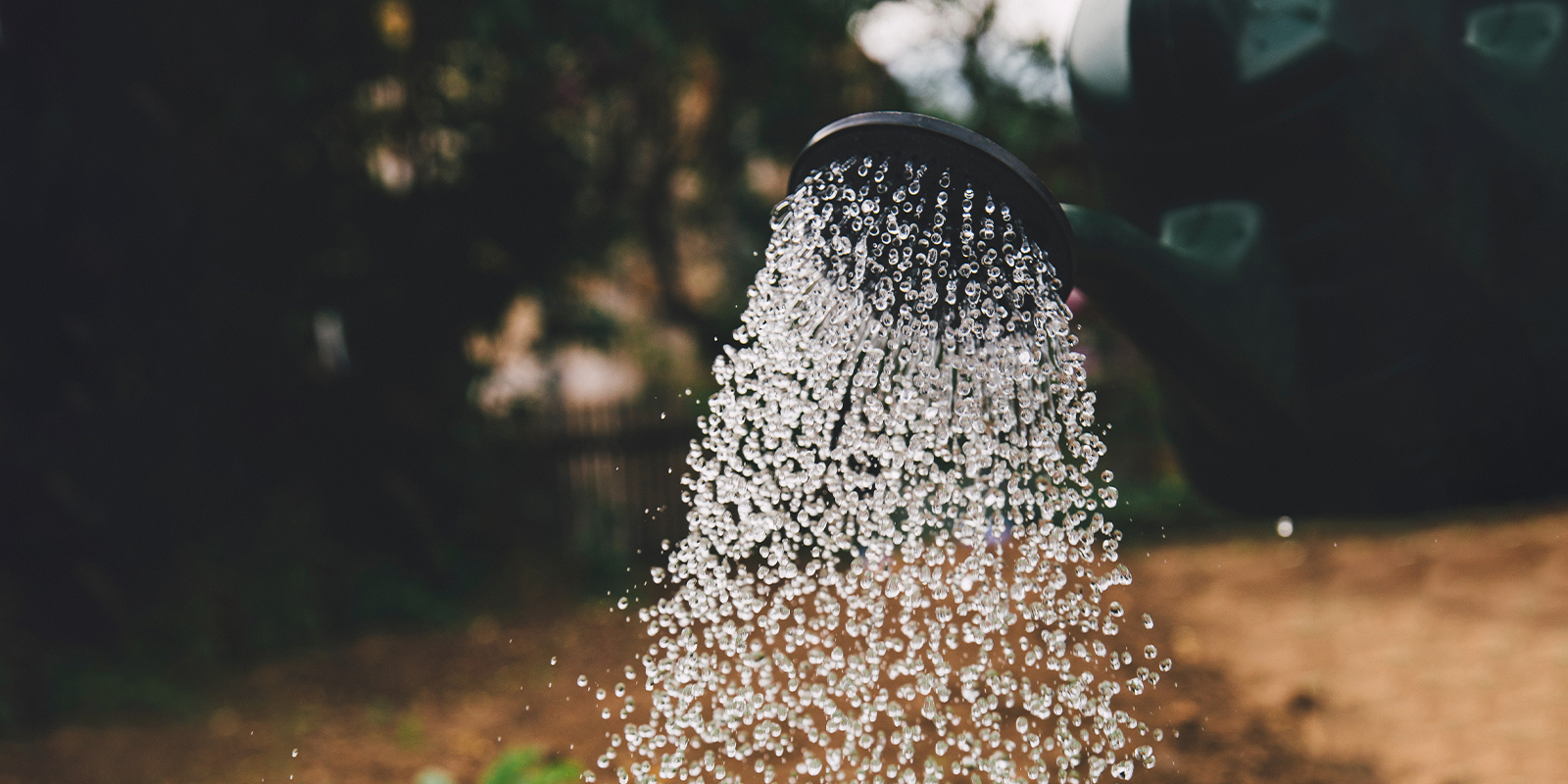
The easiest way to know if your cannabis plant needs watering is to allow the pots to become totally dry. The weight of the pots will now be much lighter and can even be lifted effortlessly with one hand. This is when you will want to water and allow for a run-off at the bottom of the pots. The difference in weight once the pots have been fully saturated will be a guideline to the ideal window of when to next water.
The other signs to look out for are if the plants look like they are wilting or drooping slightly. This will be a clear indication that now is the perfect time to feed without over watering the plants. It is very important to understand that over-saturated plants will also droop and cause the leaves to droop downwards also.
Lights on or off?
The best time to generally water the plants is one hour after the lights have turned on and the stomata are open. Avoid watering your indoor garden closer to the lights out, as this may increase humidity levels, and never water in the dark indoors.
How often does an outdoors cannabis plant need to be watered?
When cultivating outdoors, hand feeding and waiting until runoff is the easiest way of keeping your Cannabis plants well fed. This is the most basic method compared to setting up irrigation lines that use a pump, timer and electricity and over time require weekly maintenance. Manually watering by hand or using a hose pipe is much more practical for a low volume of plants, or those planted in containers no bigger than 20 liters / 4 gallons.
Hand watering can be easily monitored and done once or twice a day. Watering schedules may also depend on what works for you personally logistics wise, as you may not always be on site with the plants. Watering by hand can become laborious once the plant count dramatically increases, and a more practical solution such as dripper lines may suffice.
Daytime or nighttime watering?
Outdoors, it is best to water Cannabis plants earlier in the morning before sunrise, and then a second time after sunset. The reason being the plants will not transpire as much as during the hottest parts of the day.
Various types of irrigation solutions
Manual – The style that the organic home grower who enjoys being hands-on prefers. Manual feeding can be as basic as using a watering can or a 5 liter water bottle. It will not be as consistent as drip feeding off a timer, but will certainly suffice.
Automatic – Hydroponic systems that utilize drip lines and takes will regulate their feeding schedules off a timer. During the vegetative stage, it is common for Cannabis plants to be fed the same volume between 1-2 times every 24 hours. During the flowering stage, feeding can increase to 3-5 times.
Flood – A system that involves flooding the soilless growing medium, normally hydroton clay balls. A drain table will be flooded with nutrient solution and then drained back to the reservoir, where the process is repeated multiple times per day.
Understanding pH, and E.C
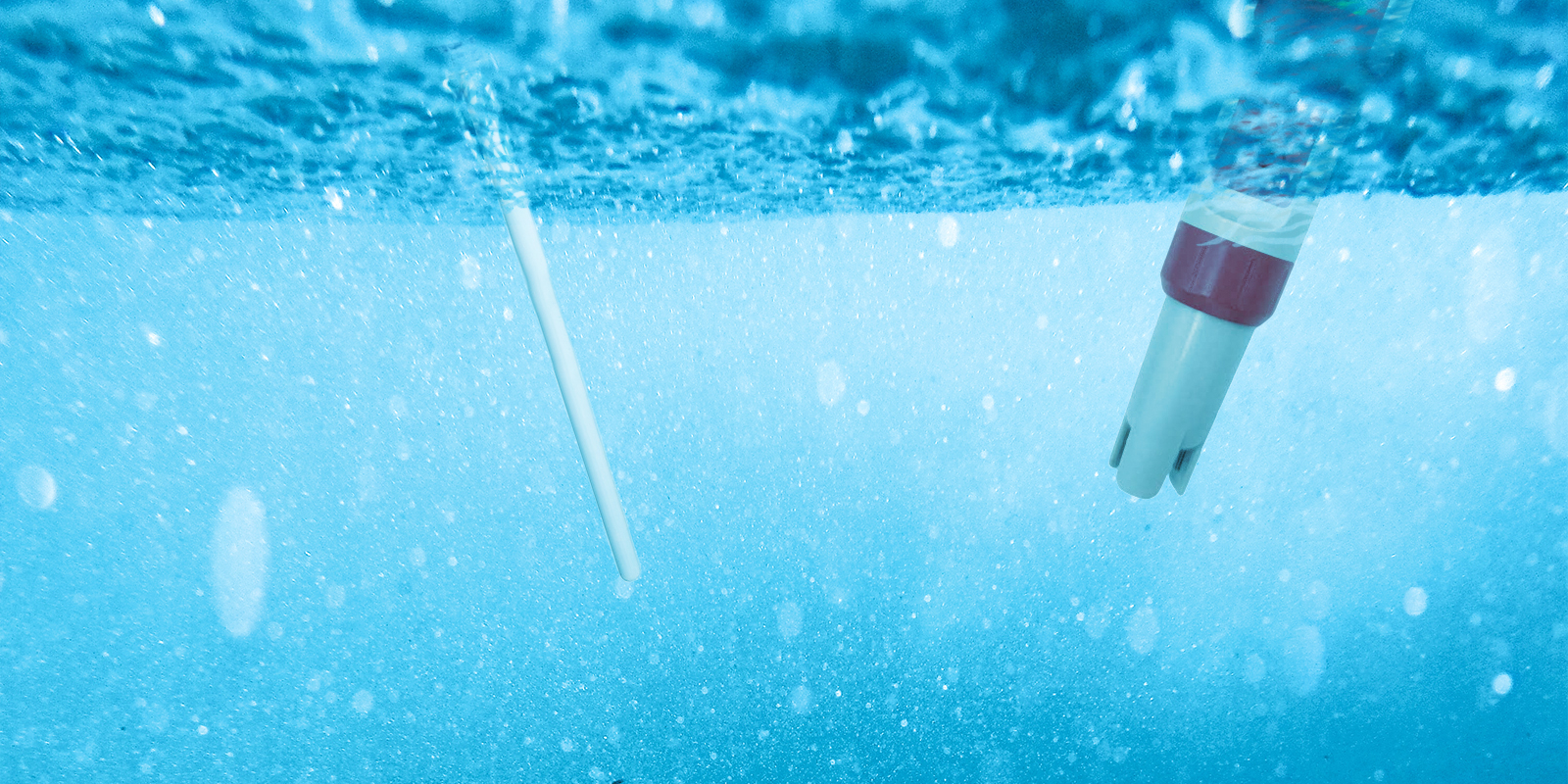
If you have ever seen these terms and not understood what they mean, pH simply refers to how acidic, alkaline or neutral the water is. Organic Cannabis plants prefer a pH of 5.8 – 6.2 whilst hydroponic grown plants require a strict pH of 5.5 – 6.5 with very little drifting aloud.
E.C means the electric conductivity of a nutrient solution, or in other words, how much of the solution is water and how much is salt based. As Cannabis plants mature, a grower can increase the E.C levels over time.
The very best way to monitor your pH and E.C levels is to invest in digital pens that will produce an instant reading. These pens are not so expensive and are essential if working with hydroponic systems and nutrients.
Watering with fertilizers
Using organic fertilizers, liquid nutrients and salt based chemical feeds can be the way to grow the biggest and most rewarding plants. Flushing your growing medium after weeks of salt build-ups will make a massive difference in the way the dried flowers burn, taste and can be experienced from a connoisseur’s perspective.
Always flush your indoor or outdoor plants for 14 days with plain water only.
Excessive nutrients will only cause toxicity and affect the plants’ health.
Not all cultivars are the same and will prefer a higher or lower E.C.
Avoid chemical salt based hard or liquid feeds late into flowering.